Conversations

Conversation is a give-and-take art and your age may well make a difference to how you do it...

Bridging the Generation Gap

One of the reasons that the Many Happy Returns cards can work so well, is because they bridge the generation gap.

There are acres of books and articles about the major generational groups in the western world, eg. Traditionalists – the ‘Radio Generation’, born 1920 - 1943; ‘Baby-boomers’ born 1943 - 1960; Generation X born 1960 – 1980; and the ‘Y’ (Why) Generation, Millennials, ‘Nexters’ or as they have recently been described by the magazine AdBusters, Generation 'O' (Obama) born 1980 - 2000.

The challenges – and potentialities – of working in environments where different groups may work alongside one another with all their attendant prejudices which come from their early life and peer group experiences, are becoming increasingly recognised and documented. 

Many, if not most businesses will have at least three generations working alongside each other, and the ability to communicate effectively is critical to business success. By looking at the value systems and emotional 'need states' of the different groups and their outlooks, companies can create a more productive working and learning environment. 

Of course, although there are many dimensions of diversity such as race, sex, sexual orientation, geographic location and so on which shape who we are and how we behave, it is possible to generalise about the values of different generations. How they communicate and inter-relate is also changed by and predicated on their formative experiences.

As the late, great, Douglas Adams said in the Hitch-hiker’s Guide to the Galaxy,

“Anything that is in the world when you were born is normal and ordinary and is just a natural way the world works; anything that is invented between the time when you are 15 to 35 is new, revolutionary and exciting and you can possibly get a career in it and anything invented after you are 35 is against the natural order of things”. 

The Many Happy Returns cards have been designed with people's differing generational, attitudinal behaviours in mind, as well as the National Curriculum, for the next generation growing up – however they will be described by social psychologists.

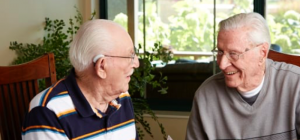
The cards help younger generations - with their differing value systems and attitudes - to relate to people over the age of 65. They help the younger generations to empathise with them by demonstrating what was so very different then – and perhaps more surprisingly, what is oddly similar. And they allow people to exchange stories and histories allowing them to share in each other's lives in a unique and valuable way.

The simple step L A D D E R that can make a conversation across the generations richer and more satisfying:


Most of the questions on the Many Happy Returns game cards are 'open'.

Together with the background information and images, these provide a platform to allow easy and entertaining conversation.

These elements are designed to be just a starting point to conversation and help it to be broad and wide-ranging. There are a number of questions on each card to allow the conversation to develop in different ways.

Look directly at the person, notice the colour of their eyes – let them do the talking – and Listen well

Ask questions - assume that they are interesting because they have fascinating stories to tell

Do try not to interrupt their train of thought if you can help it

Don't change the subject before they are ready

Empathise with their feelings, explore the difference of your experiences, exchange stories, be enthusiastic and enjoy their company

Relate and Respond to them, both verbally and non verbally, with open body language


Read the Blog

TheAgePage reflects Sarah's ongoing advocacy of older people Read more

£20.00

Buy now

Give your feedback

We appreciate any constructive feedback - why not share your thoughts?

You can follow us on Twitter!

You'll find regular comments and pictures of our activities here: SarahReed_MHR